What Is a Secular Wedding? A Guide to Meaningful, Non-Religious Ceremonies
No prescribed format, no required readings — just the story of the two people getting married. What a secular wedding is, what it can include, and how it works in Cape Town.
By Caroline Grewar-Brinkhoff
Auf Deutsch lesen →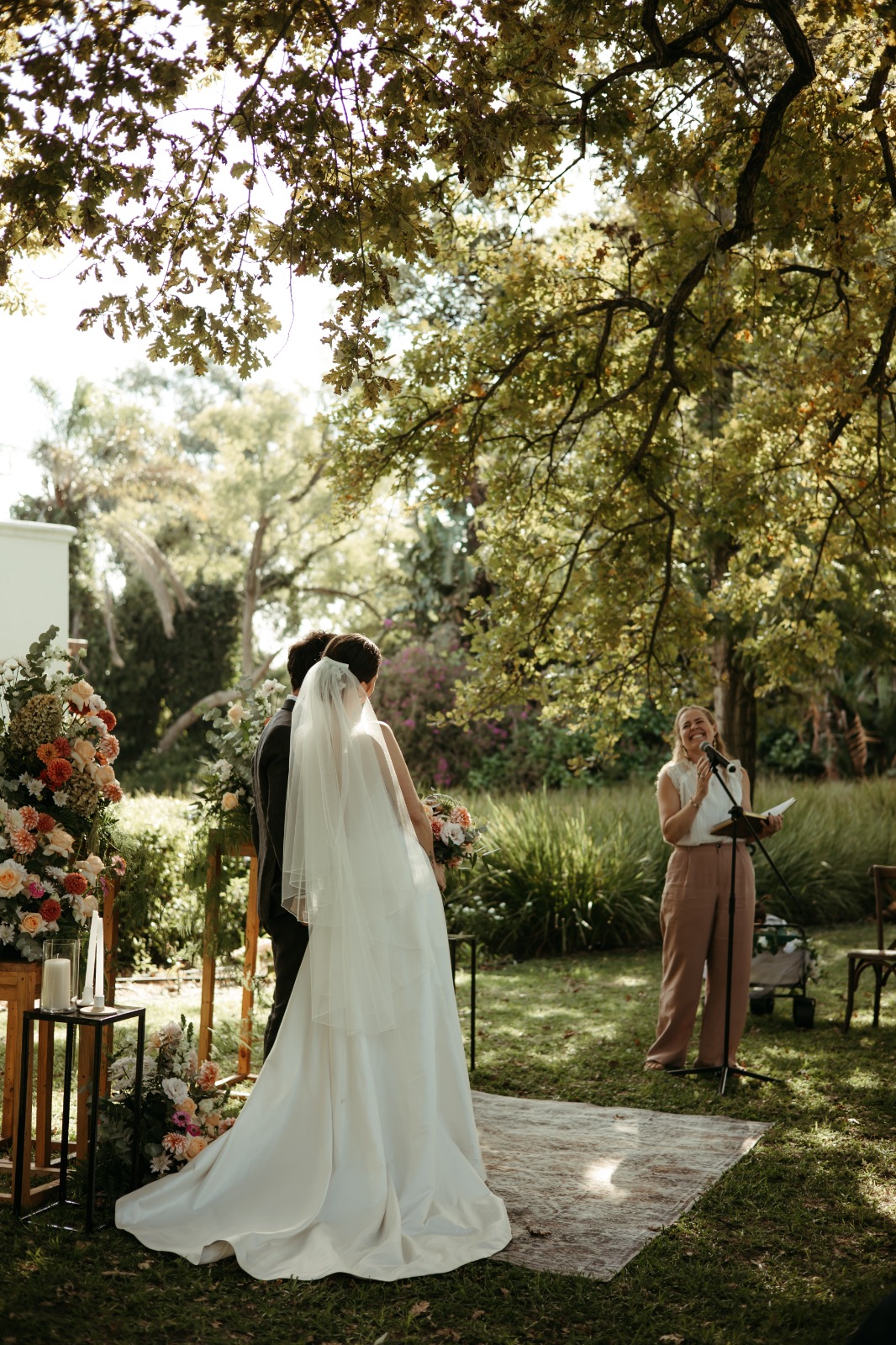
A wedding ceremony does not have to follow a religious tradition to feel meaningful, emotional and deeply personal.
A secular wedding is a non-religious wedding ceremony that focuses on the couple, their relationship and the story that brought them to this moment. There is no prescribed format and no requirement to include religious readings, prayers or traditions. Instead, the ceremony is created around what feels right for the two people getting married.
For couples who come from different cultural or religious backgrounds, a secular wedding can be a particularly beautiful way to bring their stories together.
What does secular wedding mean?
A secular wedding is a non-religious wedding ceremony. The ceremony does not take place within a religious institution and does not require the couple to follow the traditions or beliefs of a particular faith.
That does not mean that religion or spirituality cannot be part of the ceremony.
A couple can choose to include a Jewish blessing, a Christian reading, a Muslim tradition, a cultural ritual or another symbolic element that has meaning to them. They can also choose not to mention religion at all.
The important thing is that the ceremony reflects the couple rather than a prescribed religious format.
The love story is at the heart of the ceremony
One of the biggest differences between a secular wedding ceremony and a traditional religious ceremony is the freedom to make the couple's story the central element.
How did you meet? What brought you together? What have you experienced as a couple? What do you admire about each other? What makes your relationship yours?
These are the things a wedding celebrant can explore when creating a secular ceremony.
Instead of following a standard order of readings and religious traditions, the ceremony can tell the story of the two people standing in front of their guests. It can be funny, emotional, relaxed, intimate or a combination of all of these.
There is no single definition of what a secular wedding should sound like.
What if we come from different religious backgrounds?
This is one of the reasons many couples choose a secular wedding.
Perhaps one of you grew up in a Jewish family and the other in a Christian family. Maybe one partner comes from a Muslim background and the other has no religious upbringing. Perhaps you both grew up with different traditions, cultures or beliefs and want to acknowledge parts of them without having the ceremony belong entirely to one religion.
A secular ceremony gives you the freedom to decide what belongs in your wedding.
You might include a Jewish wedding tradition alongside a Christian reading. You might incorporate a family blessing, a cultural ritual or a symbolic ceremony that has nothing to do with religion.
Or you might decide that your different backgrounds are an important part of your story, but that you do not want any religious elements during the ceremony.
All of these choices are completely valid.
Can a secular wedding include religious traditions?
Yes.
Secular does not necessarily mean that religion is excluded. It means that the ceremony itself is not a religious ceremony.
For example, a couple could include a Jewish tradition because it connects one partner to their family, even if the ceremony itself is otherwise non-religious. Another couple might choose a Christian blessing, a reading from the Quran, a cultural tradition or a personal ritual.
Equally, they can leave all of these things out.
There are no rules that say a secular wedding ceremony has to be completely free of religious references. The couple decides what feels meaningful to them.
What rituals can you include in a secular wedding?
Pretty much anything that has meaning to you.
Some couples choose well-known wedding rituals such as handfasting, exchanging rings, lighting a unity candle or making a wine or champagne toast.
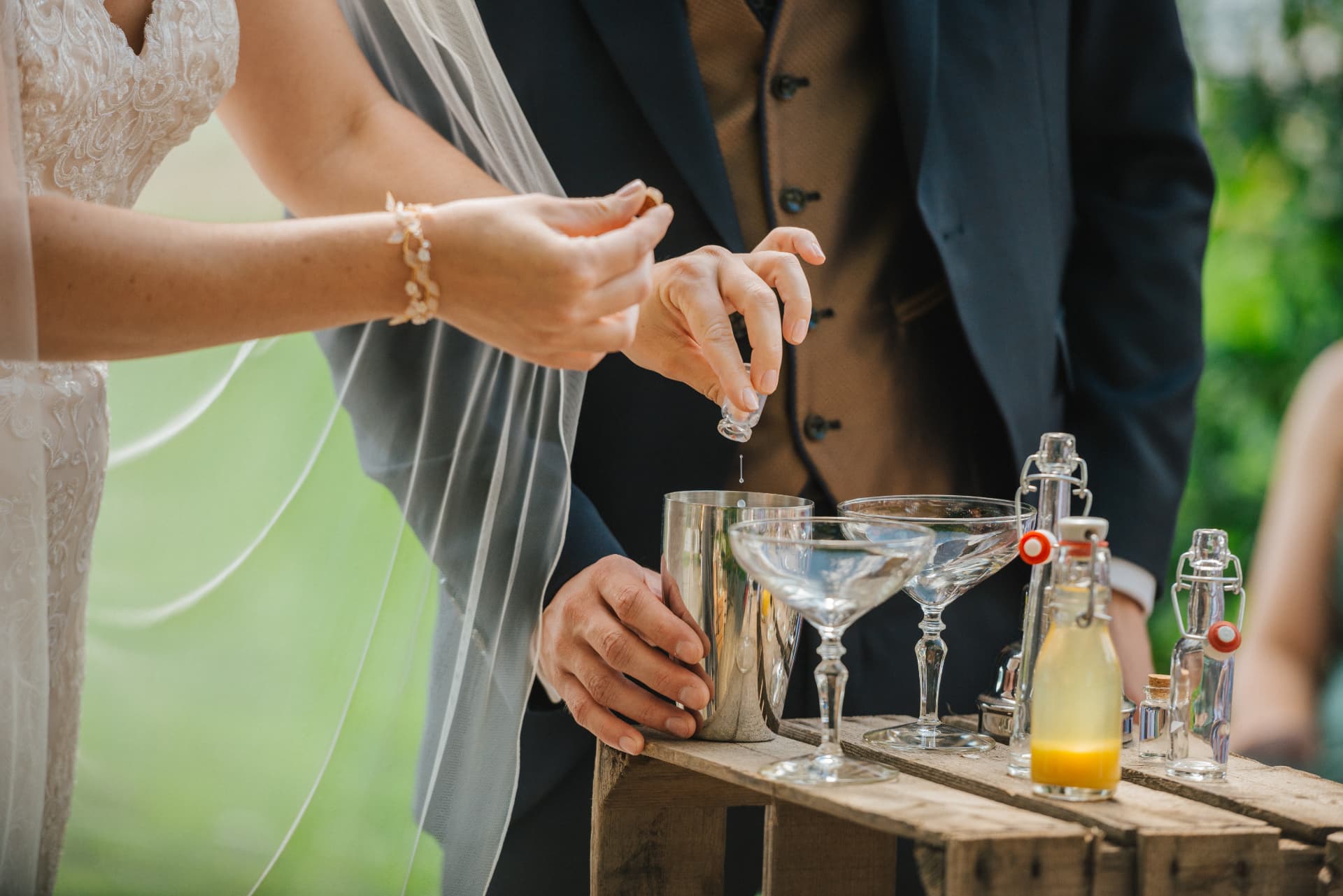
Others create something completely personal.
You could write letters to each other and read them during the ceremony. You could involve your parents, children or close friends. You could plant a tree together, exchange meaningful objects, create a family ritual or include something connected to a shared passion.

The ceremony can also include no ritual at all.
If you love the idea of a beautiful, personal ceremony but do not feel drawn to traditional rituals, that is perfectly fine too.
Where does a secular wedding take place?
Because a secular wedding ceremony does not need to take place in a church or other religious setting, couples have much more freedom when choosing their venue.
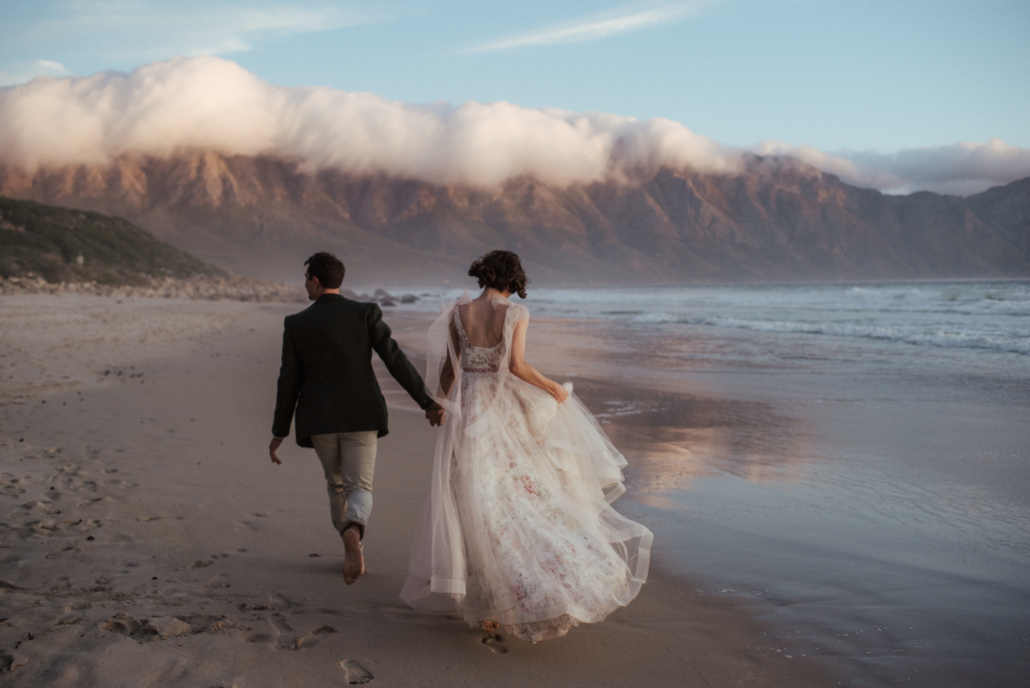
In Cape Town, that might mean getting married overlooking the ocean, on a wine estate in the Cape Winelands, in a private garden, at a beautiful hotel or at a venue that has a personal connection to you.
Some couples choose an intimate ceremony at home. Others want to exchange their vows on a beach or surrounded by mountains.
The location becomes part of the experience rather than simply being the place where the ceremony happens.

What does a wedding celebrant do at a secular wedding?
A wedding celebrant works with you to create and conduct a ceremony that reflects who you are as a couple.
For a secular wedding, this often means getting to know your relationship in much more detail. Your wedding celebrant will usually spend time with you before the wedding, asking questions about your story, your personalities, your families and the things that matter to you.
They then turn those conversations into a ceremony that feels personal rather than generic.
A good wedding celebrant also helps you navigate the practical side of the ceremony. They can suggest rituals, readings or ceremony structures if you want ideas, while also being completely comfortable when you want to do something different.
The result should feel like you.
What is the role of a marriage officer?
In South Africa, there is an important distinction between the person creating and conducting your ceremony and the legal requirements for getting married.
Depending on the circumstances, your wedding celebrant may also be a registered marriage officer, or you may work with a separate marriage officer who takes care of the legal solemnisation of the marriage.
This is particularly relevant for couples getting married in Cape Town who want a secular ceremony outside of a church.
If you are planning a non-religious wedding ceremony, it is worth clarifying with your marriage officer or wedding celebrant what is required for your marriage to be legally recognised in South Africa.
That way, you can have the ceremony you want while making sure the legal side is properly taken care of.
Can we have a secular wedding if our families are religious?
Absolutely.
A secular wedding can be a thoughtful way of bringing different expectations and backgrounds together.
Some couples want to honour their families' religious traditions without having a religious ceremony themselves. Others want to make a clear distinction between their personal beliefs and the ceremony they choose to have.
There is no right answer.
You might include a reading that is important to your parents, invite a family member to give a blessing or incorporate a tradition from your upbringing. Or you might explain to your families why having a non-religious ceremony feels right for you.
The ceremony belongs to the couple.
Your ceremony can be as traditional or unconventional as you want
A secular wedding does not have to look a certain way.
You can have a formal ceremony in a beautiful estate with hundreds of guests. You can have an intimate ceremony by the ocean with your closest friends. You can walk down an aisle, or you can enter together. You can exchange traditional vows, write your own or simply make personal promises to each other.
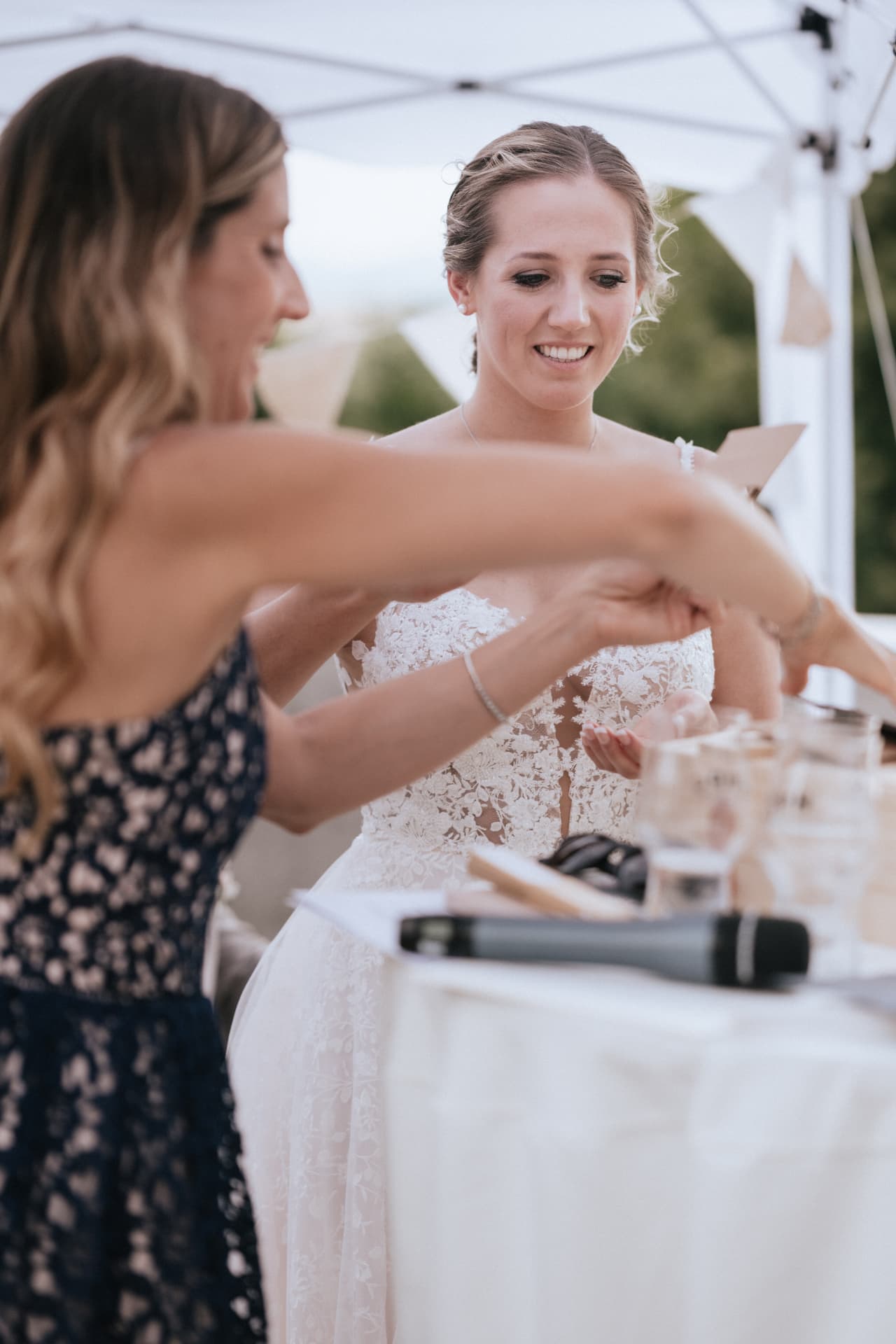
You can include religion, spirituality, cultural traditions or none of them.
You can have rituals or keep the ceremony beautifully simple.
The freedom is the whole point.
A ceremony that belongs to you
A secular wedding ceremony gives couples the space to create a ceremony that reflects their relationship, their backgrounds and the life they are choosing to build together.
And perhaps that is why it works so well for couples whose story does not fit neatly into one tradition.
Your wedding does not need to belong to a particular religion or follow someone else's idea of what a ceremony should look like.
It simply needs to belong to you.
Find your celebrant
Search by your wedding date and see who is genuinely available on the day.